Timeline of Kirat Heritage and Reform in Bhutan
Druk Kirat Chhoetshog is a formally registered religious organization dedicated to reviving ancestral Kirat heritage and the Samjik Mundhum through modern spiritual reforms that promote non-violence and national harmony within Bhutan.
Ancient Era: The Ancestral Foundation
Time of Ancestors
The Kirat society, culture, and Samjik Mundhum (oral scripture) are established in Bhutan. Rituals are performed by traditional priests: Phedangba, Samba, Yeba, and Mangpa, characterized by oral recitations lasting seven days and seven nights.
Period of Decline
Due to the oral nature of the traditions and the passing of senior reciters, the Mundhum recitations are shortened to three days, then one day, eventually leading to a period where much of the oral tradition was lost and the community faced religious confusion
1942 (B.S. 1988)
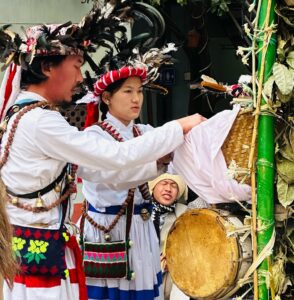
The First Manghim (Temple)
Late Harka Dil Limbu (Laote), in collaboration with the Samtse Yeseltse (Lamitar) community, establishes a Manghim to revive worship through the reading of the Kirat Samjik Mundhum.
1974 – 1975 (B.S. 2032)
Sacred Site Establishment
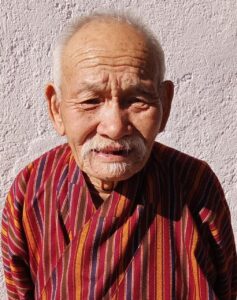
Late Dal Bahadur Limbu (Bala Nembang) and Krishna Bir Mangmu (picture below) begin performing La-dhung Nam-dhung Semi Sewa in Dagapela, establishing the site now known as Shadu Daha.
2000 (B.S. 2057)
Ritual Transformation
Late Harka Bahadur Subba (Lingden), late Tin Hang Subba (Fago), and senior citizens of Dagana agree to replace traditional animal sacrifice with offerings of fruits and flowers.
2004
Organizational Campaign & Unofficial Association
A formal campaign for Kirat social reform begins, led by a committee of dedicated members including Harka Bahadur Subba (Libang) and Dhan Lal Rai (Sampang), Shree Man Subba (Phurumbo), Buddha Kumar Rai (Dilungcha), Tara Bir Rai (Khaling), Harka Bahadur Rai (Chamling), Ran Dhojh Subba (Edhinggo), Priti Maya Limbu (Khazum), Bal Bahadur Rai (Lingkhim), Jit Bahadur Rai (Kulung), Kalpana Rai (Samsuhang), Leela Rai (Newahang), and Meena Subba (Tenyung).
The Kirat Religious Association of Bhutan is unofficially established, chaired by Mr. Harka Bahadur Subba (Libang).
2007
Religious Recognition
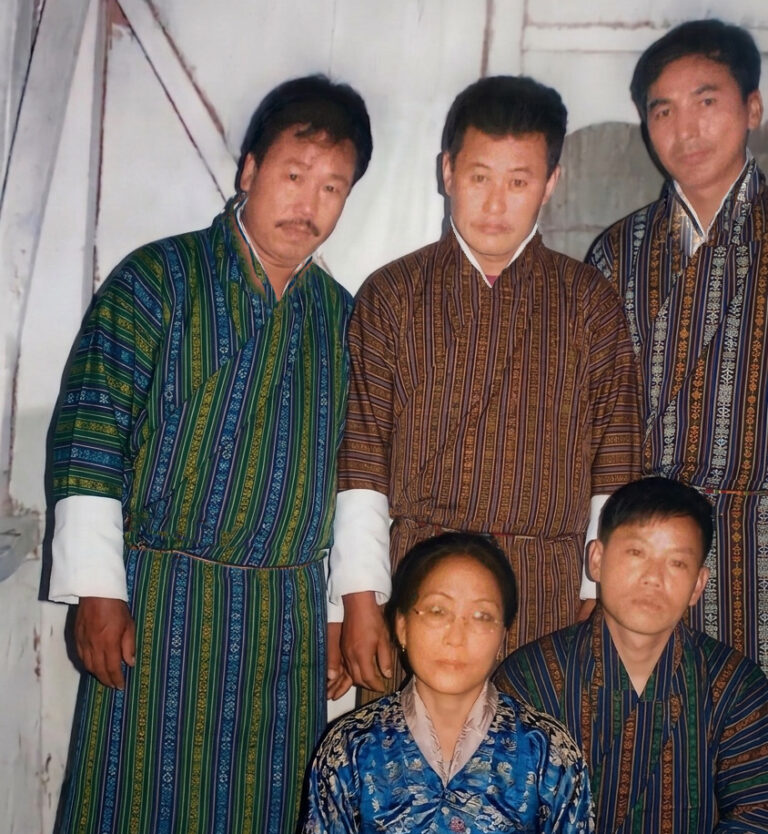
The Kirat community attends the 18-day Meonlam Chhenmo in Tsirang. Lama Neten Lama Wangdi and His Holiness Je Khenpo offer guidance and support, emphasizing the harmony between Kirat traditions and the national spiritual heritage.
2008
Leadership Transition
Mr. Harka Bahadur Subba (Libang) concluded his tenure as President from 2004 to July 2008.
Mr. Ran Dhoj Subba (Edhinggo) was appointed as the new Chairperson in August 2008.
2009
First Registration Attempt
Under the chairmanship of Mr. Ran Dhoj Subba (Edhinggo), documents are submitted to the Chhoedey Lhentshog for official registration, though the process remains incomplete at this stage.
2017
Leadership Transition
Mr. Ran Dhoj Subba concludes his tenure as President (2008–2017).
May 24, 2018
Official Registration
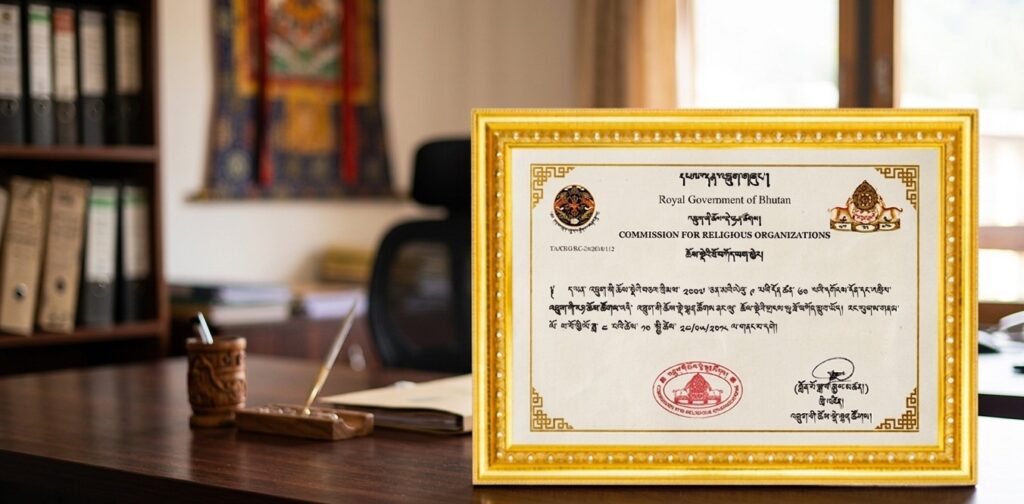
The organization is officially registered under the Chhoedey Lhentshog (Commission for Religious Organizations of Bhutan) as Druk Kirat Chhoetshog (DKC).
First Official Chairmanship: Sangdangenwarumsaba Buddha Kumar Rai (Dilungcha) assumes the role of Chairperson.
Present Day
Druk Kirat Chhoetshog Today
The DKC now operates under a formal governance structure consisting of 11 Board Members (Chairperson, Vice-Chairperson, Secretary, Treasurer, and seven members). The organization remains dedicated to:
Promoting Kirat language, script, and spiritual traditions.
Upholding the values of truth, non-violence, and unity.
Strengthening peace and harmony in respect of the Tsa-Wa-Sum.